

 注: 建议图片大小150px*50px
丨
English
注: 建议图片大小150px*50px Views: 0 Author: Site Editor Publish Time: 2026-07-10 Origin: Site
Transferring heat efficiently between vastly different fluids remains a significant engineering challenge. Industrial processes constantly demand better thermal performance in smaller spaces. Liquid-to-gas heat exchange often suffers from massive inefficiencies. Gases possess significantly lower thermal conductivities compared to liquids. This mismatch creates a severe thermal bottleneck at the boundary layer. Engineers traditionally solved this by building massive heat exchangers. However, expanding equipment size wastes valuable floor space and increases material costs.
The Fin Tube offers the standard solution for expanding exterior surface area. It balances heat transfer rates without expanding the physical footprint. This article moves beyond basic definitions to provide a practical framework. We will explore how these components function at a physical level. You will learn how to evaluate, specify, and source the right finned tube for your specific industrial applications.
Fin tubes increase the external surface area of a heat exchanger tube, significantly improving thermal efficiency when transferring heat between a liquid and a gas.
Selecting the correct finned tube requires balancing operating temperatures, environmental corrosiveness, and mechanical stress.
The integrity of the fin-to-tube bond (thermal contact resistance) is the most critical factor in long-term performance and lifecycle cost.
Manufacturing standards and material compatibility dictate whether a solution will fail prematurely or deliver a stable lifecycle.
Understanding the physics of heat exchange requires looking at thermal bottlenecks. Heat moves naturally from high temperatures to lower temperatures. When heat travels from a liquid inside a pipe to a gas outside, problems arise. The gas side possesses a much lower heat transfer coefficient. It resists absorbing or shedding thermal energy quickly. This forces the liquid side to wait. The entire system slows down because of this boundary layer resistance. Microscopic layers of stagnant air act as insulators against the metal.
We solve this through surface area multiplication. You cannot easily change the physical properties of the surrounding gas. Instead, you multiply the metal surface touching that gas. Adding fins to the exterior shell dramatically increases the contact zone. A single meter of bare pipe might offer limited surface area. Once finned, it can offer up to ten times that amount. This expanded area matches the rapid heat transfer rate of the internal liquid. The two sides finally achieve thermal balance.
Let us examine the thermal dynamics in action. The path of heat follows a strict sequence. First, conduction pushes heat through the solid wall of the pipe. Next, conduction carries this energy through the fin base. Finally, convection takes over at the exterior. The heat radiates from the fin surface into the surrounding medium. Any gap along this path creates thermal contact resistance. A secure bond ensures heat travels unimpeded.
The resulting efficiency gains transform plant operations. You achieve massive reductions in equipment size. Facilities require much lower fluid volumes to operate efficiently. Energy consumption drops because fans and pumps do less work to push air or liquid. Ultimately, optimizing this mechanism ensures better environmental compliance and lower operating expenses across the board.
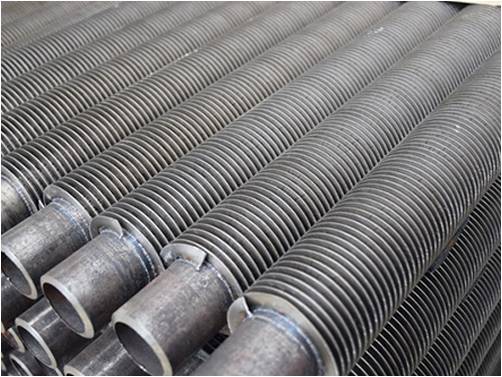
Different environments demand specific manufacturing approaches. Specifying the correct Fin Tube prevents catastrophic system failures. We must match the attachment method to the operational stress of the facility.
Extruded configurations offer superior durability in aggressive climates. Manufacturers extrude the fins from an outer aluminum sleeve directly onto the inner pipe. The base material never touches the outside air. They are best for high-temperature applications and harsh weather. They provide absolute protection against galvanic corrosion at the base. You often see them in offshore platforms.
L-Foot or wrap-on designs offer simpler construction. A machine forms an aluminum strip into an "L" shape. It then tension-wraps this strip tightly around the metal. They are best for lower temperature limits, typically under 150°C (300°F). These work perfectly for cost-sensitive projects. You should only use them in environments experiencing low mechanical stress. High vibrations will quickly ruin them.
High-frequency welded designs handle extreme punishment easily. Steel fins are continuously welded to the steel base. This creates a unified metallurgical bond. They are best for extreme industrial environments and boilers. High-pressure applications rely heavily on them. They excel in situations requiring zero thermal contact resistance. The welded joint prevents any separation.
G-Fin or embedded variants withstand heavy thermal cycling. Blades are mechanically embedded into a plowed groove on the wall. The metal is then compressed to lock everything securely in place. They are best for high thermal cycling environments. Tension-wrapped fins would loosen under these expanding and contracting forces. Embedded fins stay secure even when temperatures fluctuate wildly.
Fin Type | Attachment Mechanism | Ideal Applications | Maximum Temperature |
|---|---|---|---|
Extruded | Cold rotary extrusion from aluminum sleeve | Corrosive environments, high mechanical wear | Up to 300°C (572°F) |
L-Foot (Wrap-On) | Tension-wrapped L-shaped strip | Cost-sensitive, low-stress environments | Up to 150°C (300°F) |
High-Frequency Welded | Continuous welding to base pipe | Boilers, extreme industrial pressure | Over 400°C (750°F) |
G-Fin (Embedded) | Mechanically locked into plowed groove | High thermal cycling, cyclic services | Up to 400°C (750°F) |
Engineers must evaluate several operational parameters before choosing a finned tube. Proper selection relies on matching physical capabilities to process demands. Missing a single variable can compromise the entire bundle.
Maximum Operating Temperature: Continuous heat dictates your primary material choices. Thermal spikes also play a critical role in selection. Tension-wound blades expand and unwind if they get too hot. Welded or extruded variations handle extreme heat without separating. You must check the maximum process temperature against the bond type.
Corrosion and Fouling Allowances: Assessing the operating environment prevents premature decay. Sometimes you need bimetallic configurations to survive. For example, use a carbon steel inner pipe for pressure handling. Add aluminum outer blades for excellent corrosion resistance. You must also account for airborne debris like pollen or soot clogging the gaps.
Thermal Contact Resistance: Evaluating the bond between the exterior and the base is vital. Air acts as an incredible thermal insulator. If thermal expansion creates microscopic air gaps, efficiency degrades rapidly over time. A mechanically weak bond loses contact as temperatures fluctuate during daily operations.
Pressure Drop Constraints: You must balance fin density against aerodynamic penalties. High fin density increases surface area significantly. However, it also restricts airflow across the bundle. This increases the pumping costs on the shell or air side. Engineers optimize the fins per inch to minimize energy waste.
Even the best designs fail if implemented poorly. Understanding common risks helps you avoid costly downtime. Facilities must plan for environmental degradation and physical stress.
Galvanic corrosion realities often surprise inexperienced buyers. Combining dissimilar metals creates an electrical potential. Moisture acts as an electrolyte between copper and aluminum. Without proper base sealing, this combination rapidly dissolves the less noble metal. Coastal or humid environments accelerate this destructive process heavily. Proper coating or extruded sleeves eliminate this danger.
Vibration and mechanical wear destroy unprotected bundles. Improper selection leads to flattening in high-velocity airflow. Lack of adequate supports allows pipes to rattle against each other. This constant rubbing causes eventual rupture. You must ensure baffles and supports match the airflow velocity. Secure mounting prevents resonance from tearing the system apart.
Manufacturing and compliance standards dictate safety margins. Sourcing from unverified vendors introduces massive metallurgical risks. Vendors must adhere strictly to ASME, API 661, or equivalent global standards. These frameworks ensure proper metallurgical integrity and consistent weld quality. Skipping these standards invites catastrophic leaks during pressure spikes. Proper ultrasonic testing verifies the bond integrity before shipment.
Cleaning and maintenance constraints dictate physical robustness. Facilities rely on high-pressure washing to remove fouling. Mechanical cleaning cycles apply severe lateral force to the exterior. Fragile tension-wrapped strips easily bend and block airflow during washing. Robust welded designs withstand aggressive cleaning protocols without losing shape. Always consider the maintenance crew when specifying materials.
Procurement teams often face conflicting priorities between upfront budgets and long-term performance. The cheapest initial option may result in higher operational costs. For example, a standard L-foot design saves money today. However, thermal degradation over a 5-year cycle increases energy consumption. The fans must run harder to compensate for lost heat transfer. Operational expenses quickly eclipse the initial capital savings.
Lead times and supply chain realities heavily impact project delivery timelines. Standard carbon steel and aluminum combinations ship relatively quickly. Specialized alloys like titanium or high-nickel steels require extended production windows. You must balance the need for exotic materials against your installation schedule. Delays in receiving specialized parts stall entire facility upgrades.
Using a rapid decision matrix helps buyers navigate these choices effectively. If operating above 400°F, automatically eliminate tension-wound options. If you face a highly corrosive marine environment, mandate an extruded bimetallic setup. If you require massive pressure handling, specify high-frequency welded steel. This shortlisting logic prevents mismatched applications and focuses the engineering discussion. It streamlines procurement while protecting system integrity.
Specifying the optimal components represents a delicate balancing act. You must align thermal requirements, environmental realities, and budget constraints perfectly. No single design fits every industrial application flawlessly. Evaluating your unique atmospheric and thermal challenges ensures a durable installation.
The cost of a catastrophic failure far outweighs any initial savings. An efficiency drop forces your entire system to consume more energy. Paying a slight premium for the correct metallurgical bond ensures reliable long-term operations. It keeps your facility running efficiently through demanding cycles and aggressive maintenance schedules.
Take a proactive approach to your thermal management systems today. We strongly encourage engineers and procurement teams to consult technical specialists. Submit your thermal datasheets for a comprehensive, custom specification review. Expert guidance prevents costly misapplications and guarantees peak thermal performance for years to come.
A: A bare tube has a smooth exterior, offering limited surface area for heat exchange. It works well for liquid-to-liquid applications. A fin tube features exterior ridges or blades that multiply its surface area. This makes it ideal for transferring heat between liquids and gases, compensating for the poor thermal conductivity of gases.
A: Engineers measure efficiency using specific formulas comparing actual heat transfer to theoretical maximums. They evaluate the overall heat transfer coefficient and analyze thermal resistance at the bond layer. High efficiency indicates minimal temperature loss between the base wall and the exterior tips.
A: Minor damage, such as slightly bent blades, can be repaired using a process called fin combing. This realigns the metal to restore airflow. However, if the bond separates from the base pipe, repair is impossible. Total replacement becomes necessary to fix structural separation and restore thermal contact.
A: Aluminum remains the most popular choice due to its exceptional thermal conductivity and lightweight nature. It effectively sheds heat in air-cooled systems. Carbon steel and stainless steel are frequently specified for extreme environments. These tougher metals handle severe industrial fouling, high pressures, and aggressive mechanical cleaning.


