

 注: 建议图片大小150px*50px

丨
English
注: 建议图片大小150px*50px Views: 0 Author: Site Editor Publish Time: 2026-11-18 Origin: Site
Salt spray and crashing waves relentlessly batter offshore platforms day and night. In this punishing environment, natural seawater acts as a highly conductive electrolyte. It actively destroys traditional metals in a matter of months. Is your marine infrastructure truly safe from this invisible threat?
Specifying a Titanium Plate solves this pervasive engineering problem by offering unparalleled resistance to saltwater degradation. However, in the realm of marine construction, not all titanium is created equal. Choosing the wrong grade often leads to blown budgets or unexpected structural vulnerabilities. This comprehensive guide will help engineers, procurement managers, and marine specialists determine exactly which material fits their specific operational needs while ensuring strict adherence to international material standards.
Unmatched Superiority: The metal forms a natural, self-healing oxide film. This makes it virtually immune to ambient seawater corrosion, vastly outperforming stainless steel and copper-nickel alloys.
Grade 1 Formability: Offers the highest corrosion resistance and maximum ductility. It is the ideal choice for complex shapes, plate heat exchangers, and deep-drawing applications.
Grade 2 Strength: Recognized globally as the workhorse of the marine industry. It provides the most practical balance of structural strength, market availability, and cost-effectiveness.
Standard Compliance: Always ensure your procured materials meet strict certification specifications to guarantee precise chemical composition and verify mechanical reliability.
Advanced Alloys: For elevated temperatures or highly localized crevice corrosion risks in chemical processing, alloyed options provide enhanced localized protection.
The ocean is notoriously aggressive. Chloride ions actively break down the protective passivity layers on traditional metals like carbon steel. This chemical reaction accelerates galvanic corrosion, leading to rapid material failure. In stark contrast, titanium offers a scientifically proven defense mechanism that ensures long-term structural integrity.
The Science of Survival and Passivity
Titanium’s exceptional performance is driven by the spontaneous formation of a highly stable, continuous, and firmly adherent titanium dioxide passive film. This invisible shield forms instantaneously upon exposure to oxygen or moisture. For instance, if a heavy tool drops and mechanically scratches the surface of the plate during shipyard assembly, the oxide layer immediately reforms. This self-healing property prevents rust from initiating. Consequently, this characteristic makes the metal virtually immune to general degradation, pitting, and crevice corrosion in natural seawater at temperatures up to 130 degrees Celsius.
Superior Weight-to-Strength Ratio
In naval architecture, particularly concerning offshore platforms and deep-sea submersibles, weight reduction is critical for operational efficiency and buoyancy control. Boasting a density of approximately 4.51 grams per cubic centimeter, titanium is roughly 45 percent lighter than steel and copper alloys. Despite this lower mass, commercially pure grades provide yield strengths comparable to many low-carbon steels. This exceptional specific strength empowers engineers to design lighter, highly efficient marine structures without sacrificing safety limits.
Immunity to Marine Biofouling Degradation
Marine organisms such as barnacles, mussels, and algae will inevitably attach to submerged structures. When biofouling occurs on conventional stainless steel, these organisms create oxygen-deprived zones beneath their shells. This biological activity leads to severe localized pitting. Conversely, titanium is completely immune to microbiologically influenced corrosion. While biofouling may still physically attach to the surface, the metabolic byproducts of these organisms cannot penetrate the oxide layer. The metal remains pristine beneath the fouling.
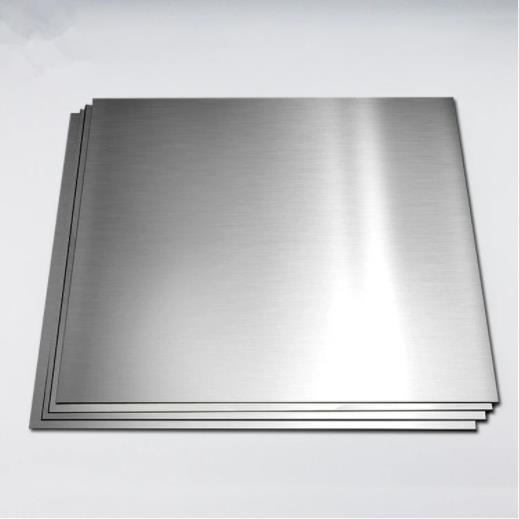
When specifying materials for critical marine infrastructure, objective quality control is non-negotiable. Established by the American Society for Testing and Materials, this globally recognized standard dictates the strict parameters for titanium strip, sheet, and plate production. Adhering to this framework is the only reliable way to ensure the material will perform predictably under hydrostatic pressure and corrosive stress.
Why It Matters for Marine Buyers
Trace impurities can severely compromise a metal's performance. The standard places strict maximum limits on elements like Carbon, Oxygen, Nitrogen, Iron, and Hydrogen. For example, excessive hydrogen absorption during the manufacturing process can lead to hydrogen embrittlement. This flaw causes catastrophic structural failure under heavy wave loads. Furthermore, verifying ASTM B265 compliance guarantees the physical performance of the metal. It specifies the minimum requirements for Yield Strength, Tensile Strength, and Elongation.
Procurement Tip for Engineers
Procurement managers must always request EN 10204 3.1 Material Test Reports before finalizing a purchase. These documents provide empirical proof that the specific batch of metal has been chemically analyzed and mechanically tested. Reputable manufacturers supply cold-rolled plates from 0.5mm to 4.75mm and hot-rolled plates up to 100mm thick, all fully certified to these rigorous standards.
Representing unalloyed, commercially pure titanium in its softest and most ductile form, the Gr1 Plate possesses the strictest limits on interstitial elements. It contains the lowest allowable oxygen content at a maximum of 0.18 percent and iron content at a maximum of 0.20 percent. Because oxygen and iron act as strengthening agents, their minimal presence results in a lower yield strength of minimum 170 MPa. However, this maximizes the material's cold formability. This extreme purity grants it the highest general corrosion resistance among all commercially pure grades.
Best Marine Applications for Grade 1
Due to its highly ductile mechanical profile, this grade is rarely utilized for heavy structural load-bearing. Instead, it shines in scenarios requiring severe forming or complex pressing.
Plate Heat Exchangers: The exceptional ductility allows fabricators to press the metal into intricate corrugated patterns without cracking or micro-tearing.
Desalination Components: Its extreme corrosion resistance ensures decades of longevity in the low-stress, highly corrosive zones of thermal desalination plants.
Explosion Cladding: It is frequently used as a thin cladding material bonded to thicker carbon steel plates. This technique provides a highly resistant surface for offshore components while keeping overall project costs manageable.
If Grade 1 is the specialist for delicate formability, the Gr2 Plate is the undisputed workhorse of the maritime sector. It stands as the most widely specified and globally available commercially pure titanium grade. Containing slightly higher allowances for oxygen at a maximum of 0.25 percent and iron at a maximum of 0.30 percent, this subtle shift in chemical composition significantly enhances its mechanical properties.
Specifically, it offers a minimum yield strength of 275 MPa and a tensile strength of 345 MPa. This achieves robust structural integrity while maintaining excellent weldability. For procurement managers balancing budget and performance, specifying this grade offers the necessary structural integrity without the premium costs associated with specialized alloys.
Best Marine Applications for Grade 2
Shipbuilding and Submersibles: Extensively utilized in hull construction, pressure vessels, and internal seawater piping systems where physical strength is paramount.
Offshore Oil and Gas Rigs: Ideal for splash zone sheathing and firewater systems exposed to continuous wave impacts.
Marine Hardware: Perfect for heavy-duty brackets, flanges, and fittings that must endure both mechanical stress and relentless salt spray.
Choosing between these two foundational grades is the most common decision engineers face. To simplify your procurement process, review the direct technical comparison below based on standard manufacturing parameters.
Specification | Grade 1 Titanium | Grade 2 Titanium |
|---|---|---|
Min. Yield Strength | 170 MPa | 275 MPa |
Max Oxygen Content | 0.18% | 0.25% |
Primary Advantage | Maximum Ductility & Deep Drawing | Balanced Strength & Weldability |
Ideal Application | Heat Exchangers, Cladding | Hulls, Piping, Splash Zones |
Bottom Line: If your design requires complex shaping with minimal physical stress, procure Grade 1. If your blueprints require a robust, load-bearing material capable of withstanding the physical battering of the ocean, Grade 2 is your optimal choice.
While commercially pure variations handle the vast majority of ambient maritime needs, certain extreme environments demand advanced alloyed solutions. High-temperature brine circuits or acidic chemical processing offshore push standard metals to their breaking point.
Grade 7 Palladium Alloyed
Sharing the exact base chemical composition as Grade 2, Grade 7 introduces one critical addition. It contains 0.12 to 0.25 percent Palladium. This minor alloy addition dramatically shifts the electrochemical potential of the metal. In tight spaces like flanges or under heavy marine deposits, crevice corrosion can initiate if the water temperature exceeds 80 degrees Celsius. The palladium integration makes this grade virtually immune to crevice corrosion even at high temperatures and in low-pH environments.
Grade 12 Molybdenum and Nickel Alloyed
When engineering blueprints require both elevated temperature resistance and higher mechanical strength, Grade 12 is an excellent alternative. Alloyed with 0.3 percent Molybdenum and 0.8 percent Nickel, this specific combination yields a material that provides superior structural integrity at high temperatures. It serves as a highly cost-effective middle ground between standard commercially pure titanium and the premium Grade 7 for aggressive marine chemical processing.
The marine engineering sector is currently undergoing a massive paradigm shift regarding material procurement. Historically, the high upfront capital expenditure of titanium deterred widespread adoption outside of critical naval or aerospace applications. Today, comprehensive lifecycle cost analysis entirely dictates purchasing strategies.
The rapid expansion of offshore renewable energy, particularly floating offshore wind farms, demands structural materials capable of surviving 30 years in the highly corrosive splash zone. Operators can no longer afford costly maintenance shutdowns. Furthermore, as global environmental regulations tighten, the eco-friendly nature of titanium is driving unprecedented demand. Unlike traditional solutions, it does not leach toxic anti-corrosion paint or heavy metal coatings into the ocean ecosystem. Industry data clearly shows that specifying advanced titanium alloys is rapidly transitioning from a premium upgrade to the baseline standard for next-generation marine assets.
By eliminating the need for constant rust removal and protective coatings, this advanced metal has revolutionized how engineers design structures for the deep ocean.
Desalination Plants
Thermal desalination, specifically Multi-Stage Flash distillation and Reverse Osmosis systems, involves processing highly concentrated hot brine. I have seen traditional stainless steels suffer from severe chloride-induced stress corrosion cracking under these harsh conditions within months. Titanium plates are successfully utilized in the construction of evaporator shells and condenser tube sheets, offering a proven 30-year lifespan with virtually zero degradation.
Offshore Oil and Gas Infrastructure
The splash zone of an offshore rig is arguably one of the most corrosive environments on earth. Traditional steel structures require massive corrosion allowances. Engineers must use excessively thick steel just to account for the material rusting away over time. Titanium eliminates this requirement entirely. It is extensively used for splash zone sheathing to protect underlying pillars, as well as in the fabrication of seawater ballast systems.
Procuring materials for critical Sea Water Service requires rigorous due diligence. The initial material cost is an investment in decades of longevity. Sourcing substandard metal can lead to catastrophic structural failures down the line.
When selecting a supplier, evaluate their technical capabilities beyond the initial price quote. A reputable manufacturer possesses a documented history of supplying marine-grade materials. Look for partners that offer in-house custom cutting capabilities to minimize your material waste. Most importantly, never accept a shipment without verifying its certification. Demand the Material Test Report before finalizing the purchase. If a supplier cannot provide a certified report proving the chemistry falls within acceptable regulatory limits, walk away.
Selecting the correct titanium grade is the foundational step in ensuring the long-term success of any maritime project. Your specific operational environment directly dictates the final material choice. Whether your project involves deep-sea hydrostatic pressure, complex heat exchanger fabrication, or highly acidic hot brine, there is a specific grade engineered for the task.
While Grade 2 remains the standard, all-around choice for exceptional structural strength and budget efficiency, Grade 1 is the undeniable champion for intricate forming needs. By understanding these technical nuances and verifying strict material standards, you can protect your marine infrastructure from the relentless forces of the ocean.
Ready to upgrade your marine infrastructure? Explore the full range of certified, high-performance titanium materials tailored for extreme ocean environments at Graceland Titanium. Ensure your next project is built to last a lifetime.
No. Titanium forms a highly stable, continuous, and self-healing oxide film that makes it virtually immune to rusting and corrosion in natural seawater. This invisible barrier protects the underlying metal regardless of the water's temperature, depth, or flow velocity. Even if the surface is physically scratched by marine debris, the oxide layer instantly reforms in the presence of oxygen or moisture, preventing any rust from taking hold.
The primary difference lies in their purity levels and resulting mechanical strength. Grade 1 has the lowest oxygen and iron content, making it softer, highly ductile, and easier to form into complex shapes. Grade 2 contains slightly more oxygen and iron. This minor difference gives Grade 2 significantly higher yield and tensile strength. Consequently, Grade 2 is the standard choice for load-bearing structural marine applications, while Grade 1 is reserved for deep-drawing applications.
Commercially pure titanium grades maintain excellent corrosion resistance in natural seawater at temperatures up to 130 degrees Celsius. Beyond this threshold, or in environments with heavy marine deposits that create tight crevices, localized crevice corrosion becomes a risk. For temperatures exceeding 130 degrees Celsius, engineers typically upgrade to palladium-alloyed Grade 7 to ensure absolute structural safety.
While 316L stainless steel is commonly used in mild marine applications, it is highly susceptible to pitting and crevice corrosion in stagnant seawater or oxygen-deprived zones. Titanium vastly outperforms 316L because its passive oxide layer does not break down in the presence of high chloride concentrations. Titanium offers a true zero-corrosion allowance, whereas 316L will eventually degrade and require replacement.
ASTM B265 is the globally recognized standard specification that dictates the strict chemical and mechanical requirements for titanium plates. Buying compliant material guarantees that the metal does not contain excess impurities, such as hydrogen or carbon, which could cause the plate to become brittle. Adhering to this standard ensures that the material will perform predictably, safely, and durably under harsh marine stresses.
In the vast majority of marine applications, a high-quality titanium plate can last for several decades, frequently outlasting the operational lifespan of the vessel or the industrial plant itself. Because its corrosion rate in seawater is effectively zero, engineers do not need to factor in a corrosion allowance during the design phase. The material will maintain its original thickness and structural integrity indefinitely under normal marine conditions.


